Complete Guide to Wood Fence Washing & Stain Sealing
Learn when, how, and why to wash and stain seal your wood fence in a humid climate so it lasts longer and looks great year-round.
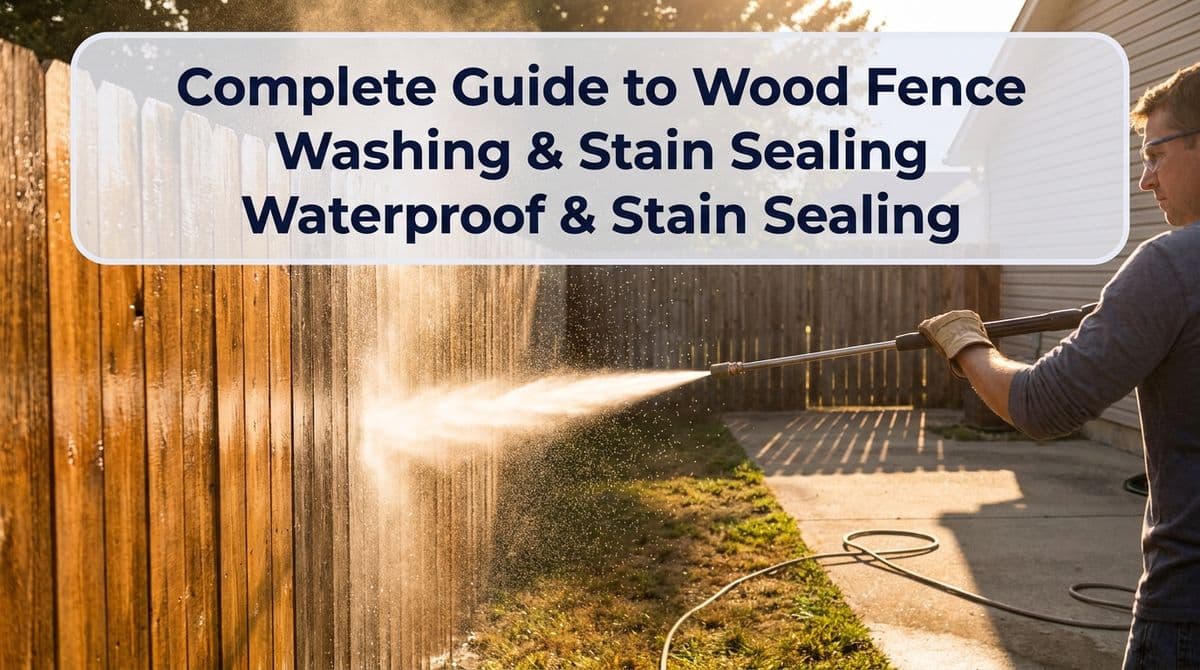
Complete Guide to Wood Fence Washing and Stain Sealing in Humid Climates
We recently got a call from a homeowner — let’s call him Mark — who needed a quote for fence washing and sealing on his backyard wood fence here in our hot, humid corner of Florida. His HOA had nudged him about the fence looking gray and blotchy, and he wanted to know if a stain sealer would protect it better than just a clear coat.
We get calls like Mark’s all the time from folks dealing with weathered wood fences in a humid climate. The combination of sun, rain, and moisture in the air is tough on wood, but with the right washing and stain sealing routine, you can add years of life and keep your fence looking sharp.
In this guide, we’ll walk you through when to wash and seal a wood fence, how we recommend doing it in a humid climate, and why the products and timing really matter.
Why Wood Fences Suffer in Humid Climates
Down here, humidity is the biggest enemy of outdoor wood. Even if your fence is pressure-treated, moisture creeps in and brings a few common problems:
- Gray, faded boards from UV damage and surface oxidation
- Mildew and algae staining, especially on the shady or north-facing sides
- Warping and cupping when boards repeatedly soak and dry
- Early rot at the bottom of posts and pickets where water sits
Stain sealing, when done correctly, helps with all of these. It adds color, blocks UV, repels water, and makes your next cleaning much easier.
When to Wash and Seal Your Wood Fence
1. How old is the fence?
We always start by asking what we asked Mark: “How long has the fence been up?” That answer tells us a lot.
- Brand new fence (0–3 months): Most pressure-treated wood needs time to dry out before staining. In a humid climate, we generally recommend waiting 3–6 months so the wood can release excess moisture and treatment chemicals.
- 1–3 years old, never sealed: This is prime time to wash and apply the first stain sealer. The wood is usually weathered but still structurally sound.
- Older fence (5+ years): We’ll often need deeper cleaning, sometimes light repairs, and a more penetrating stain to revive it.
2. Weather and timing in a humid climate
With humidity, timing is everything. We plan projects around:
- Dry windows: You want at least 24 hours of dry weather before washing (so the fence isn’t saturated from rain) and ideally 24–48 hours after sealing.
- Moderate temperatures: We aim for 65–85°F. Too hot and the stain can flash-dry and get blotchy; too cool and it may not cure well.
- Sun exposure: On very sunny days we often work in sections, keeping stain out of direct harsh sun as much as possible.
For Mark in our area, we recommended scheduling after a drier spell and avoiding those afternoons when storms pop up like clockwork.
How We Soft Wash a Wood Fence Safely
1. Inspection and prep
Before we touch a pressure washer, we walk the fence with the homeowner. We look for:
- Loose or broken boards
- Exposed nails or screws
- Rot at the bottom of posts
- Heavy mildew or algae patches
We tighten what we can, call out any repairs the homeowner should handle, and protect nearby plants and surfaces.
2. Choosing the right cleaner
In a humid climate, mildew and algae are almost guaranteed. We typically use a wood-safe soft wash solution designed for fences and decks:
- Mildew/algae remover with a mild bleach or oxygen base
- Wood brightener (often oxalic acid) to restore color and neutralize cleaners
We avoid harsh, straight bleach because it can damage fibers and hardware over time.
3. Low-pressure (soft) washing
We never blast a fence with high pressure. That’s how you end up with furrying (raised fibers) and gouged boards. Instead, we:
- Apply the cleaner at low pressure
- Let it dwell long enough to break down grime (but not dry)
- Gently rinse with low pressure, working with the grain
After washing, we allow the fence to dry a full 24–48 hours in our climate before applying stain so it can absorb evenly.
How to Choose the Right Stain Sealer
Mark’s big question was whether to use a clear sealer or a colored stain. In our experience, humid and sunny climates almost always do better with a penetrating stain sealer that has pigment.
Oil-based vs. water-based
- Oil-based stains penetrate deeply, repel water well, and give a rich look. They’re great for older or more porous wood, but they smell stronger and can take longer to dry.
- Water-based stains dry faster, clean up with water, and can be more environmentally friendly. They’re a solid option for newer fences and HOA communities that prefer low-odor products.
For humid climates, we lean slightly toward high-quality oil-based penetrating stains when allowed, because they handle moisture cycles very well and are easier to refresh without heavy stripping.
Color and opacity
- Transparent/clear: Shows all the wood grain but offers the least UV protection. In our sun, it tends to gray out fastest.
- Semi-transparent: Our go-to for most homeowners. You still see the grain, but you get better color and UV shielding.
- Semi-solid/solid: Best for older fences with lots of discoloration. They hide more imperfections but still let the texture show.
We walked Mark through samples and, like many homeowners, he chose a warm semi-transparent tone that matched his house trim and satisfied HOA rules.
Application: Getting a Smooth, Even Finish
1. Tools we (and homeowners) can use
Whether we’re doing the work or coaching a DIYer, we prefer:
- Professional sprayer to apply stain evenly
- Brushes and stain pads to back-brush and work product into the wood
- Drop cloths and plastic to protect concrete, plants, and siding
Spray-only application in a humid climate can lead to uneven absorption. Back-brushing is what really locks the stain into the grain.
2. Number of coats and dry time
- Most penetrating stains are designed for one properly applied coat.
- If a second coat is needed, we follow the manufacturer’s guidelines, usually applied while the first coat is still slightly tacky.
- We recommend letting the fence cure 24–48 hours before heavy contact (dogs jumping, sprinklers hitting directly, etc.).
In our climate, we also remind homeowners to adjust sprinklers so they’re not spraying the fence constantly. Constant water defeats the purpose of sealing.
Troubleshooting Common Fence Issues
Peeling or flaking old stain
If your fence already has a peeling film-forming stain or paint, we’ll likely recommend:
- Chemical stripper designed for wood coatings
- Low-pressure rinsing and gentle scraping where needed
- Neutralizing/brightening the wood before re-staining
Simply staining over peeling areas will not last; those spots will fail again quickly.
Warped or cracked boards
Sealer won’t un-warp a board. If we see serious warping or cracking, we suggest:
- Replacing the worst boards before staining
- Securing loose pickets and rails
- Focusing stain on extending the life of what’s still solid
Deep mildew and black staining
In shady, damp corners, mildew can burrow deep. We’ll often:
- Use a stronger, wood-safe mildew cleaner
- Allow more dwell time before rinsing
- Accept that some very old, black stains may not disappear 100%, but can be greatly lightened
How Often to Wash and Reseal in a Humid Climate
Once Mark’s fence was cleaned and stained, his last question was, “How long will this last?” In our weather, maintenance matters more than a single “forever” job.
- Light wash: Every 12 months to remove surface dirt, mildew, and pollen.
- Touch-up or full recoat: Every 2–4 years, depending on sun exposure, color, and product type.
We tell homeowners: when you notice the color fading significantly or water no longer beads on the surface after rain, it’s time to plan your next cleaning and sealing.
Quick FAQ: Humid-Climate Wood Fence Care
Can I pressure wash my fence myself?
You can, but use low pressure (typically under 800 psi) and a wide fan tip. Getting too close or too strong can permanently scar the wood. This is why we favor professional soft wash methods.
Do I have to strip the fence every time I restain?
Not if you stick with a similar penetrating stain. Often, a good clean and light brightening is enough, then we apply a maintenance coat. Stripping is usually only needed when changing from solid to semi-transparent or dealing with heavy peeling products.
Is sealing really necessary if the fence is pressure-treated?
Yes. Pressure treatment helps resist rot and insects, but it does not protect against UV damage, surface cracking, and gray weathering. Stain sealing adds that missing layer of protection and keeps the fence looking good longer.
Need Help With Fence Washing and Stain Sealing?
If your wood fence is looking tired, gray, or patchy — or if your HOA is sending friendly reminders like Mark’s — we’re happy to take a look. We can walk your fence, recommend the right cleaning and stain products for our humid climate, and handle the whole process so you don’t have to worry about weather windows, pressure settings, or product choices.
With the right approach, your wood fence doesn’t just survive the humidity — it can look great for years to come.